


In the middle of a crisis—a painful breakup, a sudden job loss, a frightening diagnosis—there’s a phrase that we often hear, or perhaps even tell ourselves: “Everything happens for a reason.”
It’s meant to be a balm. A small anchor in a sea of chaos. It offers the quiet promise that this pain isn’t pointless, that our suffering is a single chapter in a much larger, more coherent story. And sometimes, that’s exactly the lifeline we need. It gives us permission to keep going, to look for the lesson, to trust that there’s a purpose we can’t yet see.
But what happens when that comfort sours? What about the moments when the phrase feels less like a comfort and more like a dismissal? For those of us interested in living a more reflective life, it's worth asking a difficult question: Is this deeply ingrained belief always serving us, or could it sometimes be holding us back?
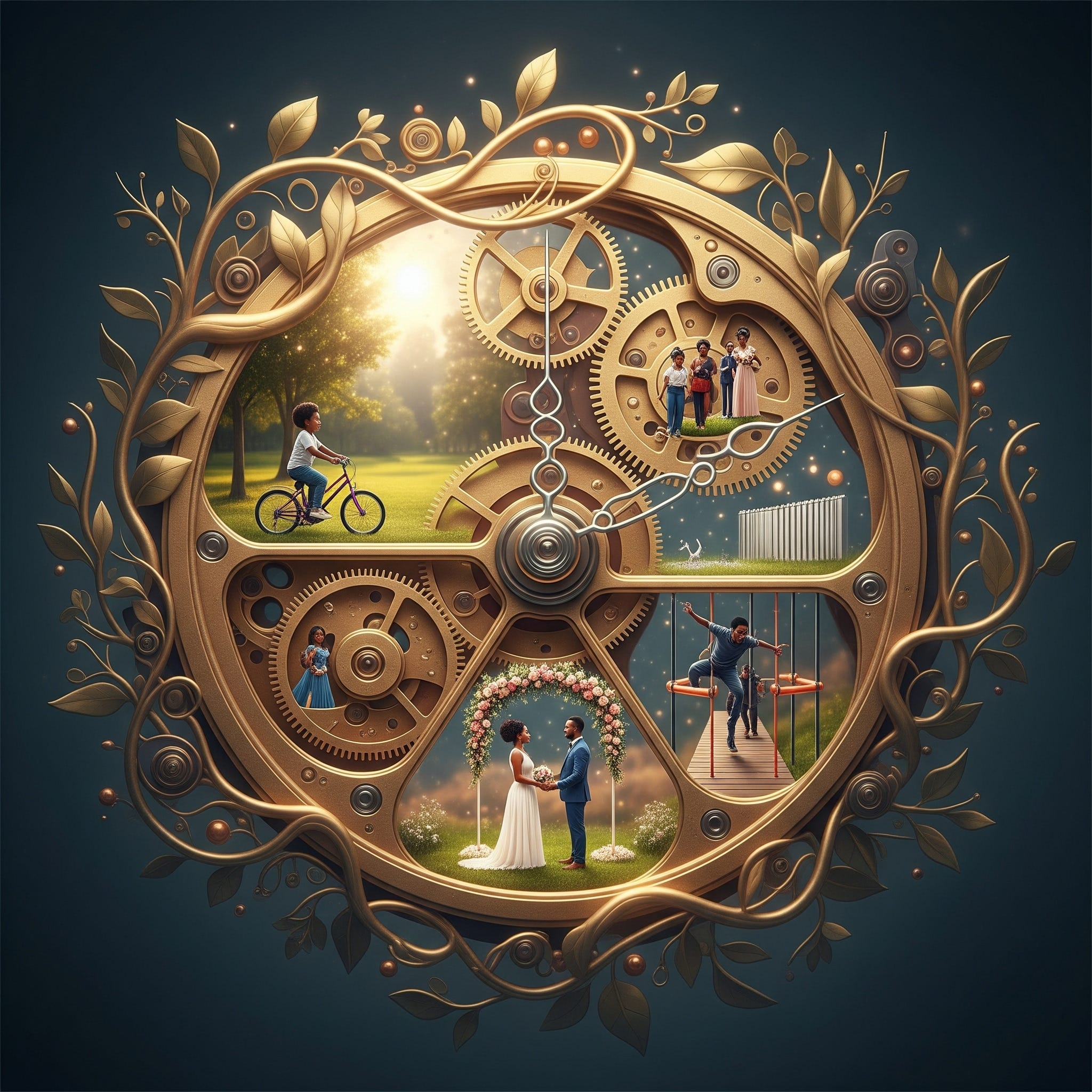
The Comfort of a Grand Design
Let’s be honest: the human mind craves meaning. We are natural-born storytellers, and in the face of random, senseless events, we instinctively try to weave them into a narrative that makes sense. The idea that there’s a “reason” for our hardship taps directly into this need.
Believing in a grand design can be psychologically powerful. It can transform a victim into a protagonist on a hero’s journey. It encourages us to reframe challenges as opportunities, asking, “What am I meant to learn from this?” This proactive search for a lesson can absolutely foster resilience and personal growth. In this light, the phrase isn't just a platitude; it's a tool for building a stronger self.
When the ‘Reason’ Feels Hollow, or Even Cruel
And yet, there are some forms of suffering that violently resist a neat and tidy explanation. When faced with profound injustice or staggering loss, the idea of a "reason" can feel like an insult. Telling a grieving parent their loss happened “for a reason” is not only unhelpful; it’s a profound invalidation of their reality. It’s a form of toxic positivity that rushes past the essential, messy work of grief.
Sometimes, a tragedy is just a tragedy. From a scientific perspective, our world contains a great deal of randomness. From an ethical one, attributing a higher purpose to someone else’s agony can feel like an attempt to justify the unjustifiable. It’s in these moments that the search for a reason becomes a dead end, leaving us feeling not only pained by the event but also guilty for being unable to find its hidden purpose.
A Deeper Shift: From Seeking a Reason to Creating a Response
This is where a crucial shift in perspective can be life-altering. What if the goal isn't to find the pre-ordained reason for an event, but to create a meaningful response to it?
This idea isn't new. It’s echoed in ancient wisdom traditions and modern psychology. Stoic philosophers taught that events themselves are neutral; it is our interpretation and reaction that give them power. Contemplative philosophy speaks not of a single divine plan but of a vast web of cause and effect, where our actions create ripples. The focus isn’t on a cosmic script but on our own agency within the story.
This moves us from a passive role to an active one. We stop asking, "Why did this happen to me?" and start asking, "Given that this has happened, who do I want to be now?"
How We Forge Meaning from Hardship
Creating meaning doesn't mean pretending something awful was secretly a gift. It doesn’t require you to be grateful for your pain. It’s a much quieter, more honest process. It looks like this:
Allowing for complexity: You can hold two truths at once: "This was a terrible, unfair event," AND "I can use this experience to become a more compassionate person."
Focusing on your values: Instead of asking what the universe wants from you, ask what your own deepest values demand of you in this moment. If you value courage, how can you respond courageously? If you value love, how can you lead with love?
Choosing your growth: You get to decide what the "lesson" is. Maybe losing your job doesn’t reveal a hidden passion but teaches you that your identity was too tied to your career. Maybe a heartbreak doesn’t happen “so you can meet someone better,” but so you can learn to be a better friend to yourself.
The phrase “Everything happens for a reason” can be a wonderful first step—a temporary shelter in a storm. But lasting resilience is built not on the hope of a hidden plan, but on the quiet confidence that we have the power to create meaning ourselves, no matter what happens. The purpose isn’t something we find; it's something we build.
So, the next time you face the unexpected, perhaps try a different question. Instead of searching for the reason, gently ask yourself: What meaning will I choose to make from this?